
-
 play_arrow
Xcel must safely clean up 1.8 million tons of coal ash at Valmont site Abby O'Brien
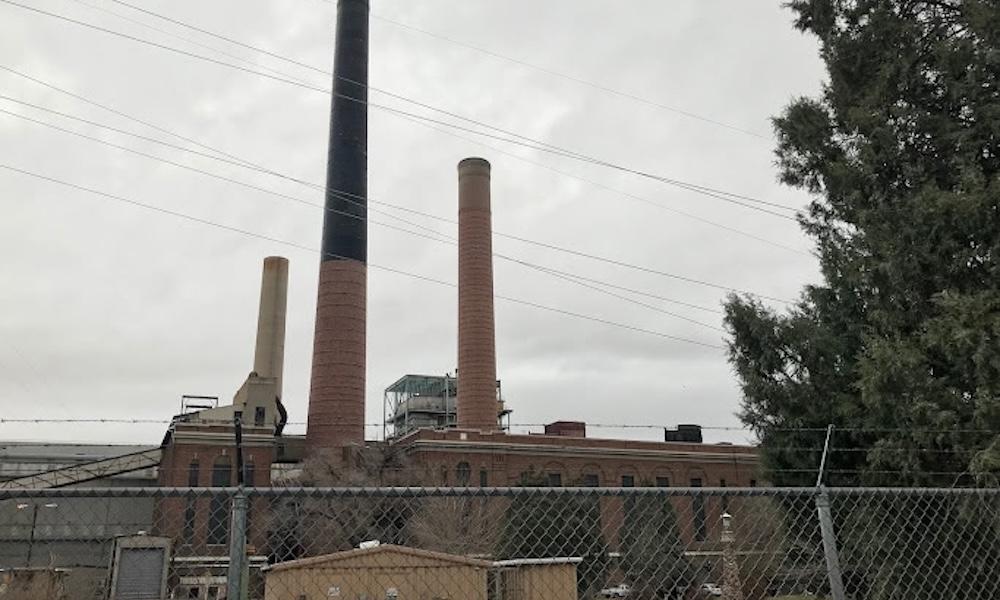
Xcel’s Valmont power station sits just five miles from downtown Boulder. It’s where coal was burned for local energy from the mid 1920s until 2017. As a result, there are approximately 1.8 million tons of coal ash left at the site, posing environmental and health risks to the surrounding community. Xcel is obligated to address that with what is now being referred to as the coal ash remediation project.
Jerry Henderson, leader of the Groundwater and Environmental Unit of the Colorado Department of Public Health and Environment (CDPHE) said this is a one-of-a-kind project for Colorado, both because of the scale and duration of the operation.
“I don’t think we’ve seen a project of this magnitude before,” said Henderson.
Xcel has proposed doing this cleanup over a period of 10 years. Once the coal ash is excavated, it will be processed into a product sold into the concrete market.
Xcel developed a cleanup plan in response to state and federal requirements to remove the coal ash and restore groundwater to safe levels. But CDPHE rejected it as insufficient.
According to Henderson, “the initial submittal of the plan lacked the necessary operational details and procedures to ensure the collage will be excavated, handled, and disposed of safely. It also failed to address community concerns which have centered around potential for dust emissions.
The remediation process involves four steps. Coal is excavated from the landfill loaded onto trucks, transported from the landfill to the processing site, unloaded at the processing site, and then processed in a kiln. All of these steps will result in coal ash becoming airborne.
“We’re very concerned about the heavy metals that are associated with coal ash, and as they dig up the coal ash, the kind of air pollution impacts that can have for the Boulder community and also for surrounding communities, since we have very high winds in the Boulder area,” said biochemist Leslie Glustrum. Glustrum is a board member of Clean Energy Action, a Boulder based nonprofit.
Dr. Cindy Warren is a retired pathologist and Boulder resident who has been advocating for a safe cleanup. She emphasized that coal is dangerous to human health, because it contains a number of harmful substances, including particulate matter and silica. It also contains many heavy metals including lead, mercury, arsenic, and chromium. The radioactive elements, uranium and thorium are present as well.
“Long-term exposure to coal is associated with a wide variety of cancers including lung, bladder, kidney, and liver,” said Warren. “Additionally, coal is associated with many serious medical conditions such as lung disease, heart disease, and stroke. Coal is also toxic to aquatic ecosystems and wildlife due to the health risks associated with coal.”
Concerned citizens like Warren and Glostrum want strict dust control measures and rigorous air quality monitoring to ensure Boulder residents and wildlife are not being impacted by airborne ash.
“If no air quality monitoring occurs, the public will be unaware of potential air quality issues and corrective actions will not take place,” said Warren.
CDPHE is currently reviewing a corrective measures designed from Xcel. Coal remediation cannot begin until a plan has been approved. Because the station is one of the first coal ash sites in the US due for a full remediation, the project could have far-reaching consequences, and set precedence for coal ash remediation in other places around Colorado, and other states.
In November, State Senator Judy Amabile sent a letter to CDPHE’s air quality control division expressing deep concern about health risks, and asking for their cooperation in holding Xcel “to the highest possible standards to minimize remediation associated impacts” of the project. The letter was signed by 10 other local lawmakers, including State Representatives Joseph and Smith, Boulder’s mayor, a Boulder County Commissioner, and members of the Boulder City Council.
The Boulder Reporting Lab has been following this story for many months and inspired KGNU’s reporting. KGNU will be tracking and reporting on new developments quarterly.
We encourage listeners to share input by calling our listener comment line at (303) 447-9911 or contacting us online.
This story was reported by Andraa Von with help from John Kelin and Tristan Price.
This story aired on the Morning Magazine, KGNU’s weekday morning show featuring in-depth discussions on local news issues. Click here to listen to other episodes of the Morning Magazine.