
-
 play_arrow
EPA proposal to weaken coal ash regulations won’t affect current Valmont Station cleanup, says CDPHE Abby O'Brien
The Colorado Department of Health and Environment (CDPHE) says a new EPA proposal to loosen requirements on coal ash disposal will not affect the Valmont Station project in Boulder.
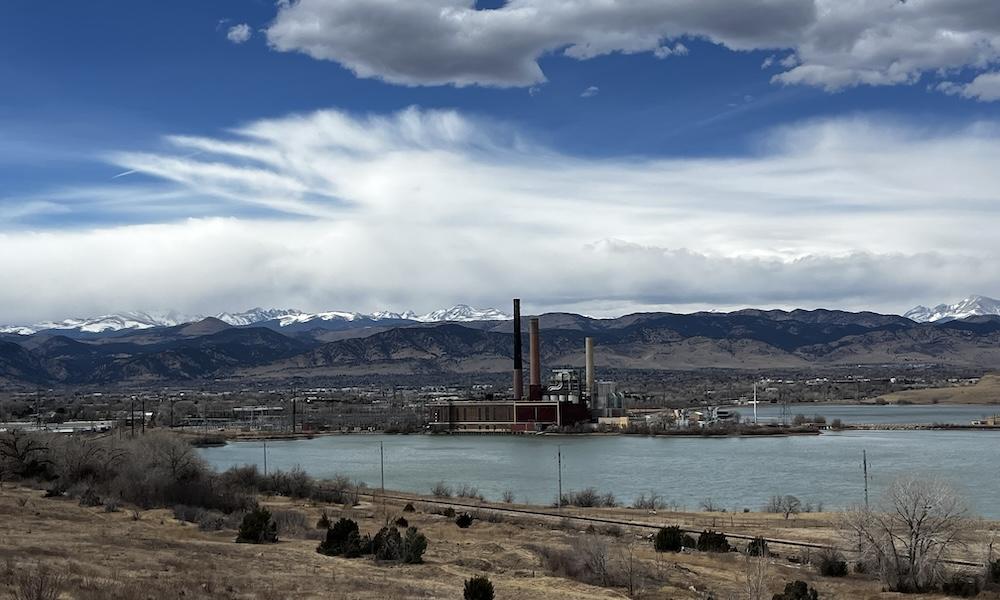
In February, KGNU brought you a report about Xcel’s obligation to safely clean up around 1.8 million tons of coal ash at Valmont Power Station in Boulder. The cleanup is addressing the problem of contaminated groundwater.
The groundwater is contaminated because coal ash was disposed of and held in online landfills where it came in contact with the groundwater. This occurred for over 90 years.
Coal ash is highly toxic. It contains radioactive elements, heavy metals, such as lead and mercury, particulate matter PM 2.5 and silica. All pose threats to human health.
The cleanup at the Valmont site, which is required by law, is expected to take place over a 10 to 12 year period. It involves excavating much of the coal ash from one of Xcel’s landfills, loading it onto trucks, transporting it to the processing center near the power plant, unloading it and processing it in a kiln, creating a product that will be sold in the concrete market.
Concerned citizens say that each of these steps excavating, loading, transporting, unloading and processing would likely result in coal ash escaping into the air. They say airborne coal ash can travel up to five miles, and even farther when it’s windy. Large parts of the county could be impacted. The long-term effect of inhaling airborne coal ash can lead to serious and sometimes life-threatening health issues, including a wide variety of cancers, cardiovascular disease, liver and kidney damage, and fertility issues. Coal ash is also very toxic to wildlife aquatic ecosystems.
Before the cleanup can begin, Xcel needs permits from CDPHE. CDPHE says they still have not yet received a revised engineering design and operations plan from Xcel, which needs to happen before they can issue those permits.
Community Concern has grown recently as more people become aware of the coal ash issue. Boulder City Council, county Commissioners, and County Public Health all weighed in with their concerns. One common denominator is making sure there’s proper air quality monitoring so that any issues that arise from coal cleanup are quickly addressed.
On April 9, the EPA under the Trump Administration proposed easing the rules about coal ash remediation.
The environmental group Earth Justice responded by stating “the proposed rule would dismantle coal ash protections for both operating and former coal power plant sites exempt hundreds of coal ash dumps from any regulation at all. And permit the owners of coal power plant sites to minimize delay, or entirely avoid cleanup of contamination at their facilities.”
In an email to KGNU, a CDPHE spokesperson said that the proposed amendments at the EPA level will not affect the Valmont Station project.
They said that their compliance order on consent with Xcel (aka the Public Service Company of Colorado) is issued under the authority of Colorado’s solid waste regulations, not the EPA coal combustion residuals rule. So changes to the EPA rule would not affect that compliance order.
CDPHE also said, “we appreciate the continued engagement from Boulder County Commissioners, Boulder County Public Health and the community. We share a common goal of protecting air quality and the health of the surrounding community. We have not yet received any air permit applications related to this project. When applications are submitted, we will review them carefully to ensure the final air permits are as protective as possible.”
This story was reported by Andraa Von and Abby O’Brien, and co-produced by John Kelin.
Today, April 21, at 6 p.m., Empower Our Future will host a zoom presentation “Toxic Legacy — the Hidden Dangers of Coal Ash Remediation” featuring Dr. Cindy Warren, a retired retired anatomic and clinical pathologist who lives in Boulder. More information here.
This story aired on the Morning Magazine, KGNU’s weekday morning show featuring in-depth discussions on local news issues. Click here to listen to other episodes of the Morning Magazine.