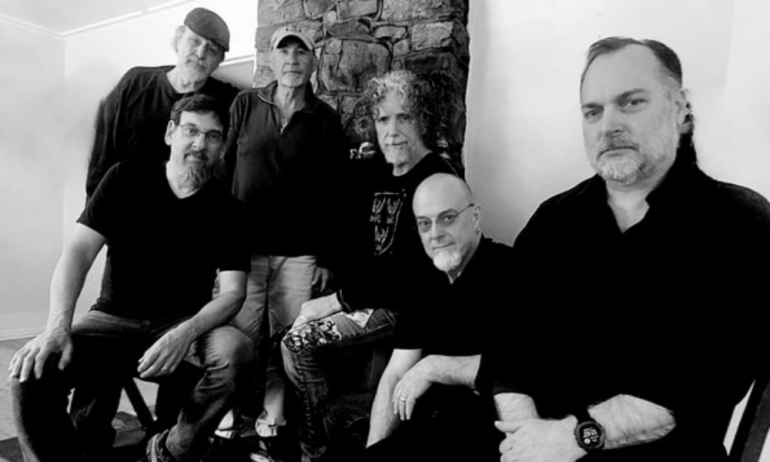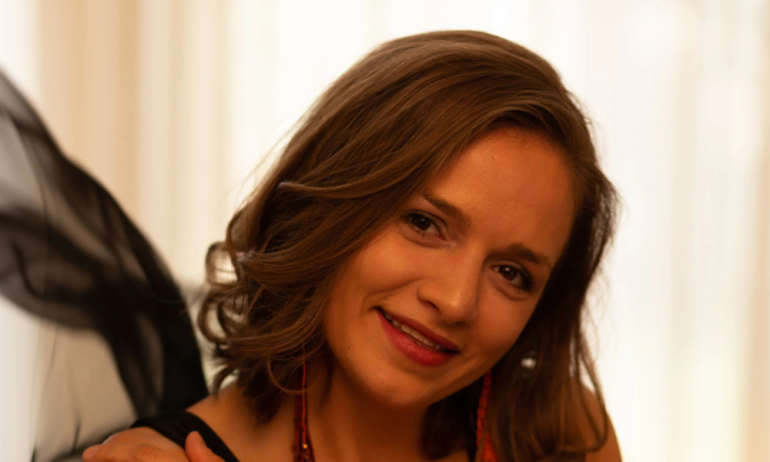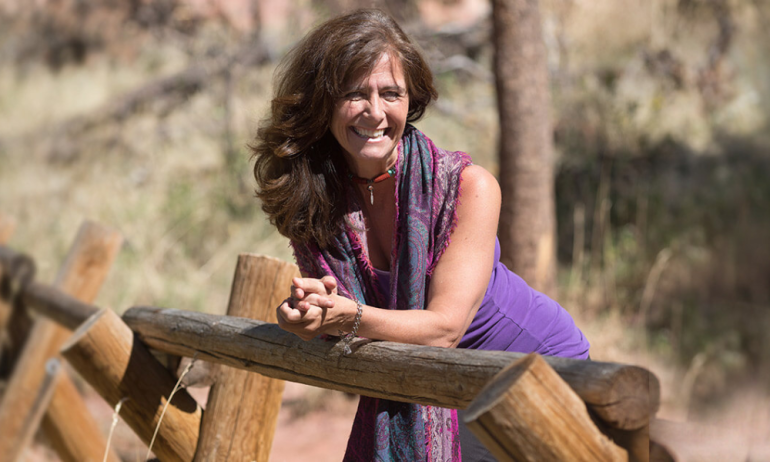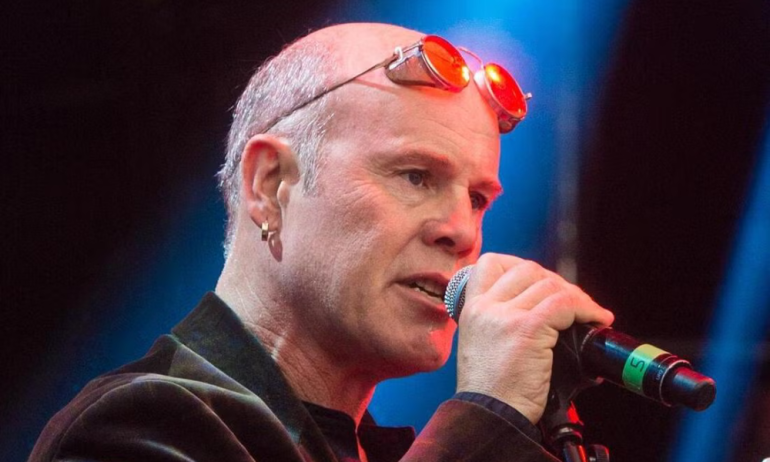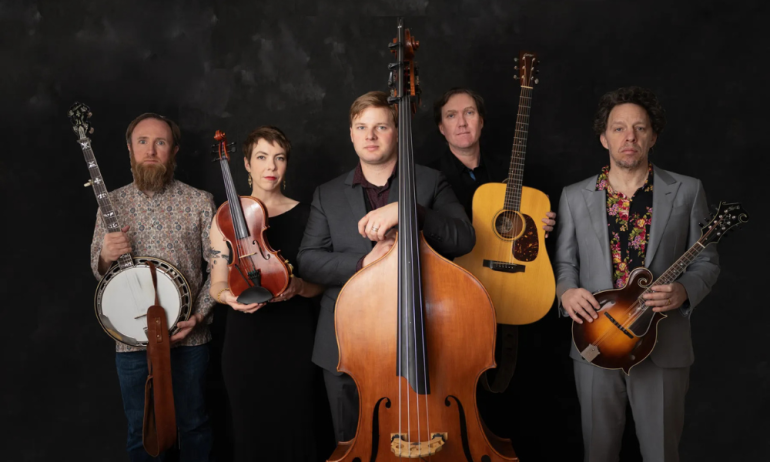

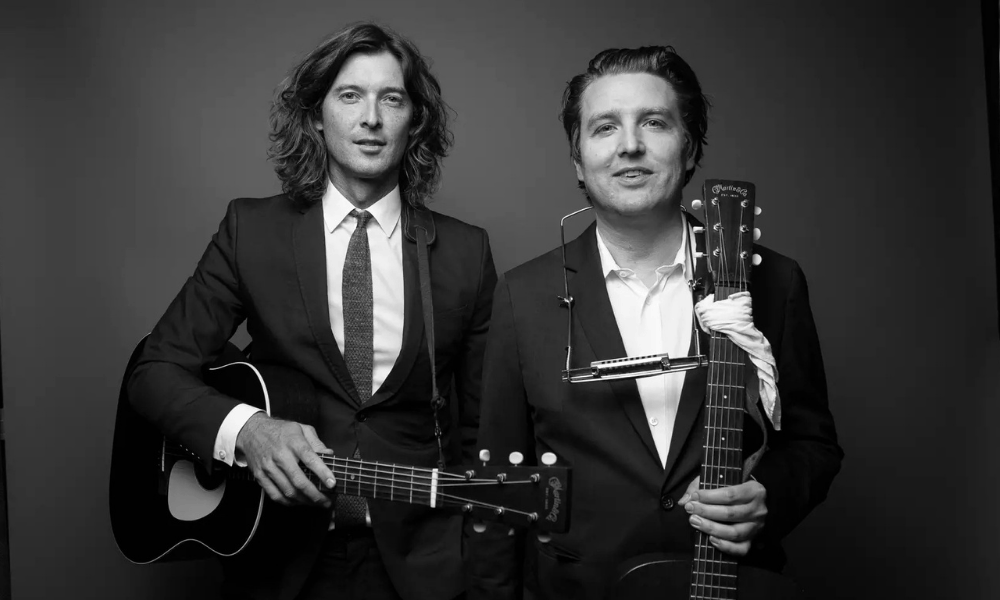
Today on The Morning Sound Alternative, Wendy Mills spoke with Joey Ryan of The Milk Carton Kids! Joey talks about the band’s beginnings in 2011, when he and Kenneth Pattengale released their first albums online for free and toured extensively to build a following. He reflects on their creative evolution, from early inspiration and minimalism to experimenting with larger arrangements and renewed collaboration after the pandemic. Joey shares how their focus has shifted toward creating music as a form of service for their fans and previews upcoming Colorado shows, including sold-out performances in Fort Collins and Aspen, and their concert at the Boulder Theater presented by KGNU on October 19. (Interview: 10/15/25)
Wendy Mills: [00:00:00] Joey is with us right now. Is the signal pretty good for you, Joey?
Joey Ryan: Yeah, it sounds great. I love that you’re playing CDs. That’s wonderful.
Wendy Mills: That’s what we do — digital, CDs, a little bit of everything. We even have some vinyl too, which is pretty cool.
Joey Ryan: I’m of the age where I came in right at the end of CDs, so I built up a CD collection just in time for it to become obsolete — and I never did rebuild.
Wendy Mills: Don’t get rid of them, because I think a lot of people who got rid of their vinyl are really sad now, since people are releasing records again in physical form.
Joey Ryan: As are we. My collection at home is mostly vinyl.
Wendy Mills: Oh, that’s fabulous. That’s really impressive, actually. I do just want to say to everyone — it was a little cattywampus starting, but we’re speaking with Joey Ryan of The Milk Carton Kids. Kenneth Pattengale and Joey Ryan started this band in early 2011, [00:01:00] and you’ve recorded and released about six albums, if I have that correctly.
And I think the first albums you released were just online, free of charge — is that correct?
Joey Ryan: Yeah, that’s right. Since it was 2011, the music industry basically did not exist when we were starting a band. We made our albums, and what we did was put a ZIP file up on our website, which had all the liner notes, lyrics, artwork, and songs. We just blasted it out to everyone we knew and said, “Hey, we made this, it’s free — please send it to everybody you know.” Then we went on tour for about four years. That’s how we got started.
Wendy Mills: I remember that because it seemed like such an amazing thing to do. Joey’s not in the studio with us — he’s joining us by phone, as you can probably tell from the sound. So, where are you right now? I know you guys came from [00:02:00] California, but you’re on tour.
I know you have a sold-out show at the Armory in Fort Collins on October 17th. We’ll talk a bit about the shows you have coming up in Colorado, but where are you now?
Joey Ryan: Yeah, actually, we haven’t left yet. I’m still in North Hollywood, where our studio is. We leave tomorrow for a nice weekend in Colorado — Fort Collins, Aspen, and Boulder at the Boulder Theater.
Wendy Mills: Yeah, and we have tickets for that show that some lucky folks listening right now are going to win! We’ll be doing that in just a bit. Joey, you’ve said in some interviews that you and Kenneth complete each other — sort of like a yin-and-yang thing. But it’s interesting, because it seems like you were both inspired by very different music when you were growing up.
Joey Ryan: I guess that’s true, at least in the things we draw our consciousness [00:03:00] inspiration from. We’re almost exactly the same age, so the music in popular culture when we were young was the same. But Kenneth likes to draw on his phases of going through Tom Waits and Duke Ellington, and then his upbringing on the cello. He likes to draw consciously from those places.
I also have an orchestral background — I played in orchestras as a little kid on the clarinet — but that always felt very separate from what we ended up doing in folk music. I feel much more in touch with the music my parents played around the house, like sixties and seventies folk and rock music. Every Sunday morning they would put on Blood on the Tracks. So, to me, Sunday morning smells like waffles and Bob Dylan.
That’s a little bit more where I think I’m coming from. But I do think it’s all in there for both of us. [00:04:00]
Wendy Mills: Yeah, it’s funny how the music of our parents really does color where we go. Either it’s, “I hate it, I’m going 180 degrees away from it,” or “I really love this.” I went through a phase as a child of listening to music that came before I was born — the music of the forties and early fifties. And then, of course, I was a child of the folk music of the seventies, because it was pretty amazing back then.
Joey Ryan: Yeah.
Wendy Mills: So how has creating your music changed in the past 14 years or so? You started around 2011 — a decade has passed, many things have happened. What are the differences you see in the creation of your music?
Joey Ryan: Well, we’ve been through a lot [00:05:00] of different phases, including some time during the middle part of our career where it was difficult. In the beginning, it was all fireworks and inspiration — the first two or three albums came pretty quickly and effortlessly, and it just felt so obvious.
After that, it felt a little more forced. We were living in different cities for a time — Kenneth was in Nashville, and I was still in Los Angeles. I had two kids. When we look back on that period, I think it started to feel a little bit more like a job.
Then the pandemic hit, and we had this forced vacation like everybody else. It really reset our expectations — what we wanted out of our collaboration and what we felt the purpose of it was. I think both of us became much more in tune with the idea of creating music and performing — which has always been our main thing — as a sort of… I don’t want to make it sound too lofty, but [00:06:00] as service.
We stopped doing it for ourselves and started doing it for the people who seemed to get joy out of it — our fans, the folks who come to shows or listen to the music. We became much more in tune with the idea that that was the purpose of it. It stopped being so egocentric, which I think you can hold onto when you’re younger.
We made an album two years ago, and we’ve just finished a new one, which will come out at the beginning of next year. It feels very much like the beginning of our career again — ideas are flowing freely, we’re finishing each other’s sentences musically, and everything feels much easier and more natural. We’re grateful to be back in that kind of place in our collaboration.
Wendy Mills: Oh, “a beautiful thing” is a phrase that’s been overused, but it really is a nice thing when you can get that kind of collaboration where you are completing each other, as you said.
Joey Ryan: [00:07:00] I think it’s a common arc in relationships — both creative and personal. You know, it starts out for a certain reason, you can lose touch with that initial spark for a time, and then hopefully you can rediscover it.
Wendy Mills: And what do you hope for the future of the band? Do you have any plans? I know on one of the albums, you had other musicians in, which was a change.
Joey Ryan: Yeah.
Wendy Mills: Go ahead.
Joey Ryan: That was a big change for us. Eventually it unlocked some ideas about what we could be. Until that time, we had really committed to the minimalist presentation of our songs — just two guitars and our two voices, and that was it. For a long time, that felt very liberating.
And then after a while, it began to feel like a constraint. So we went to the other end of the spectrum and made a record with 12 other musicians in the room, all together at the same time.
I think that unlocked [00:08:00] for us, in these last two albums, some kind of middle ground. Some of the songs are just the two of us, others have various minimal instrumentation, and some sound like bigger productions. We feel less limited and boxed in by some of the early decisions we made — but also not afraid to lean into that part of ourselves as well. So we’re feeling like everything is a possibility.
Wendy Mills: How exciting. It reminds me of that quote — “Sure, you can fly, but the cocoon has to go.” And it sounds like you guys have definitely broken through that cocoon and are flying magnificently.
You have that sold-out show at the Armory in Fort Collins on October 17th, the Roaring Fork Sessions in Aspen on October 19th, and with Micaela Anne at the Boulder Theater on Sunday, October 19th — that’s this Sunday. And we have tickets to give away to that show — we’ll be doing that in just a moment.
[00:09:00] But Joey Ryan, I just wanted to thank you so much for taking time out of your day to join us on KGNU to talk about the band and what you’re doing. I know we could probably talk a whole lot more, but I know you have things to do. Thanks so much.
Joey Ryan: Thank you so much for having me. It’s been a real pleasure to talk to you.
Wendy Mills: Absolutely. Thank you, Joey. And here’s more Milk Carton Kids on KGNU.