
-
 play_arrow
APublicAffair_2026-05-11 Rossana Longo-Better
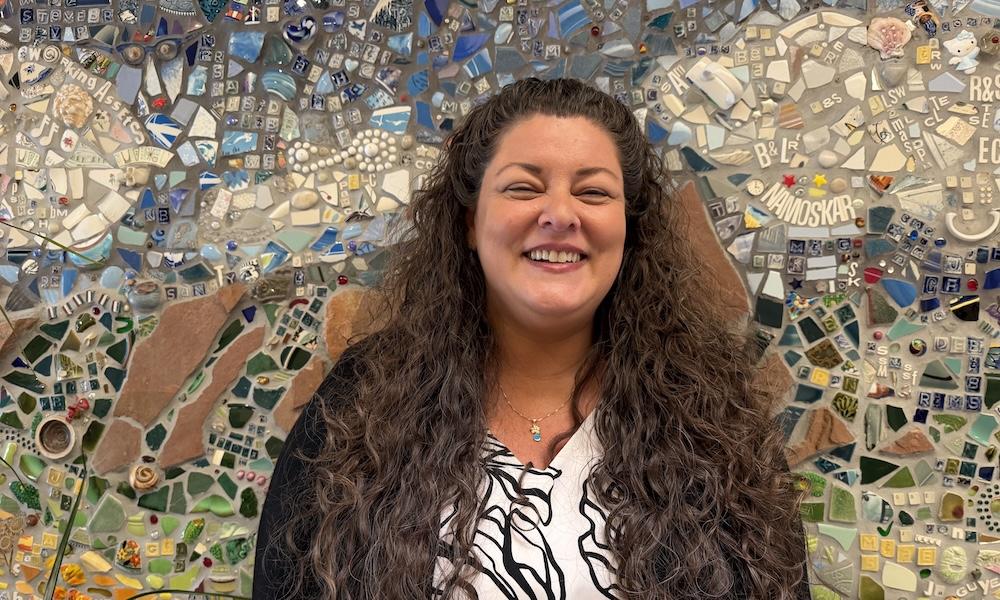
On this month’s Storytellers of Color, KGNU’s Rossana Longo Better speaks with Tania Hogan, executive director of CU Boulder’s BUENO Center for Multicultural Education, about language justice, bilingual education and what it means for students and families to be seen through their full identities.
Hogan was born in Acapulco, Mexico, and moved to the United States when she was 5 years old. Spanish was the language of her home, but school became a place where language was misunderstood.
“My teachers wanted me tested for special education because I wasn’t responding to my name,” Hogan said, explaining that teachers called her “Tania” instead of the name she knew at home. She did not learn English until around fourth grade and said those early experiences shaped her path as an educator.
“I wanted to provide all that I didn’t get in that space in school,” Hogan said.
Hogan later became a bilingual teacher and spent 18 years in K-12 education before moving into higher education. At the BUENO Center, her work focuses on preparing educators to better support multilingual learners and recognize the cultural and linguistic knowledge students bring into the classroom.
For Hogan, language justice is not simply translation.
“It’s allowing you to be who you are within the space you are,” she said.
She described translanguaging — moving between languages naturally — as “el corrido,” or the flow of language. Rather than seeing bilingual students as deficient, Hogan said schools should recognize that bilingual brains work differently and that moving between languages can be strategic, expressive and powerful.
The conversation also touched on funding cuts affecting programs that support Latino, immigrant, first-generation and multilingual students. Hogan said the BUENO Center recently lost major grants that helped provide access to education through scholarships and tuition support.
“What we’re losing is being able to give scholarships and being able to fully pay for the tuition for our students,” Hogan said.
Still, she said the center remains committed to its mission of creating educational pathways, supporting teachers and honoring students’ language, culture and identity.
The interview also explored the importance of community wisdom, including the role of abuelas and caregivers in Latino communities, and the need for more Spanish-language and truly bilingual media in Colorado.
“Absolutely, yes, we need more,” Hogan said. “When I see Latinos being represented in different spaces, me da orgullo.”
Hogan said representation matters not only in media, but also in schools, universities and the workforce. She pointed to the importance of recognizing bilingualism as an asset, including through efforts to strengthen Colorado’s Seal of Biliteracy and create more recognition for heritage speakers.
For young bilingual and bicultural students, Hogan said their stories are part of collective power.
“Sharing their stories and their experiences is what will give power to our shared collective community,” she said.
Storytellers of Color airs on KGNU’s A Public Affair every second Monday of the month.