Starbucks Red Cup Day Strike
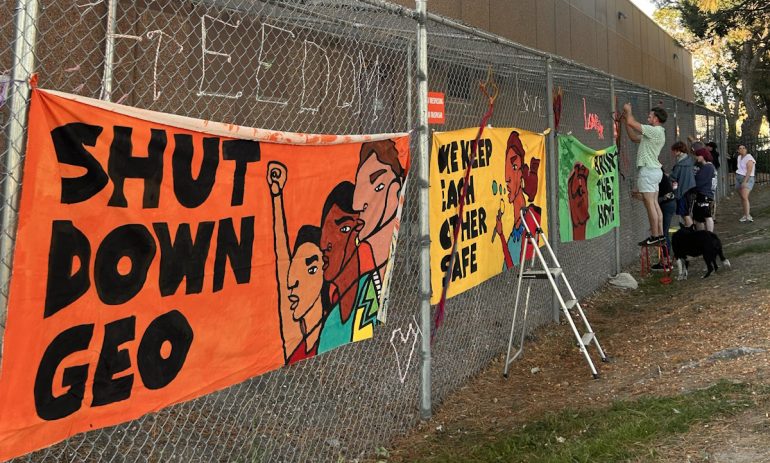
Unionized Starbucks employees are going on strike today along the front range. The movement comes as an effort to force the company to comply with recognition of Starbucks workers legal right to collective bargaining.
Starbucks Workers United represents over 12,000 workers in 550 unionized stores across the country. Starbucks Workers United says after six months of negotiations, there has not been noticeable change in: better hours to improve staffing, increased pay, and resolving unfair labor practices on the part of the company.
For Starbucks, they say the company has shown up to the negotiation table in good faith and the union is the one who stepped away from negotiations.
The union has voted to approve the strike today; one of the first Starbucks locations to unionize is in Lafayette and will picket outside the South Boulder Location. Fifteen other Colorado locations are affiliated with Starbucks Workers United, including stores in Boulder, Denver, and Fort Collins.
No Plan for River Deadline (RMCR Spots)
There’s still no plan for how the seven states that use water from the Colorado River will allocate the scarce resource after 2026.
Tuesday (11/11) marked a deadline set by the federal government for the states to share a framework for new operating guidelines… another deadline that’s come and gone with no agreement.
The Department of Interior, the Bureau of Reclamation, and the seven states issued a statement saying that they were making progress on negotiations, but more work is needed.
Chris Winter is an environmental attorney at C-U Boulder’s school of law.
Ahead of the deadline, he said the Colorado River is in a new era, defined by climate change and a scarcity of resources, which demanded urgent action.
[Tape name: River Deadline Passes BITE]
[Tape length: :15]
[Incue: And the best way that we]
[Outcue: use to fit the supply.]
“And the best way that we can prepare to move forward in this new reality is for the states to reach agreement amongst themselves and to compromise on how we’re gonna adapt water use to fit the supply.”
He says water users in the Southwest can plan around scarcity, but they need certainty from the states about what that scarcity will look like.
Upper and lower basin states have been unable to agree on who will see cutbacks, and how to define shortages.
Polis Unveils Plan to Close the Budget Gap (CCNA)
Governor Jared Polis unveiled his proposal to close a nearly 850 million dollar budget shortfall.
One of Polis’ ideas is to cut Medicaid provider rates for some services. His plan would still increase medicaid spending overall but Polis says if the costs don’t slow down it will crowd out other critical parts of the state’s budget.
We think highways and roads are important. We think public safety is important. We think agriculture’s important, all the other great things that the state does…any item that grows faster than other items is one that you look at with the magnifying class.
Budget committee members in both parties pushed back against some of Polis’s ideas, which serve as the starting point for a balanced state budget lawmakers must write and pass.
HOST TAG: That was Bente [BEN tuh] Birkeland for the Colorado Capitol News Alliance
Boebert in Situation Room
https://coloradosun.com/2025/11/12/lauren-boebert-white-house-situation-room-meeting/
U.S. Representative Loren Boebert from Colorado’s District 4 met with the Trump administration in the situation room yesterday. The white house had Boebert in the room to discuss her support of a bill that will force the justice department to release all classified documents related to convicted sex trafficker Jeffrey Epstein.
White House Press Secretary Karoline Leavitt said the conversation was part of a White House effort to have Boebert and at least one other republican congresswoman no longer back the bill.
Boebert exited the situation room saying over social media QUOTE, “…together we remain committed to ensuring transparency for the American people.” In addition to Boebert, Trump has also contacted representative Nancy Mace from South Carolina about flipping her position on the bill.
Columbine Valley Officer Punished for Using AI for Theft Case with Extra Training
https://coloradosun.com/2025/11/12/columbine-valley-office-flock-camera-extra-training/
Police Sergeant Jamie Milliman from Denver who wrongfully accused a woman of stealing a package is being disciplined with extra training. Sergeant Milliman used guidance from AI-powered Flock license plate readers as evidence she had taken a package with contents worth about 25 dollars.
The Colorado Sun received notice of sergeant milliman’s discipline yesterday which reasoned he was ‘unwilling to de-escalate’. Milliman showed up to Chrisanna Esler’s house with court summons in hand – pointing to AI-assisted video as irrefutable evidence for Esler’s appearance in court.
Esler was forced to prove her innocence, affirming with evidence of her whereabouts via apps on her phone that she was innocent. On Oct.15, two weeks after sergeant milliman served Esler her summons, the Denver Police department said they were able to drop her case.
The disciplinary action comes as rallies have been held in Denver protesting the recently renewed contract between Flock surveillance systems and Denver Police. Those protesting say AI-assisted surveillance can lead to worse incidence than Esler’s. Denver police has affirmed that AI-powered surveillance has assisted them in many investigations.
Starbucks Red Cup Day Strike
Unionized Starbucks employees are going on strike today along the front range. The movement comes as an effort to force the company to comply with recognition of Starbucks workers legal right to collective bargaining.
Starbucks Workers United represents over 12,000 workers in 550 unionized stores across the country. Starbucks Workers United says after six months of negotiations, there has not been noticeable change in: better hours to improve staffing, increased pay, and resolving unfair labor practices on the part of the company.
For Starbucks, they say the company has shown up to the negotiation table in good faith and the union is the one who stepped away from negotiations.
The union has voted to approve the strike today; one of the first Starbucks locations to unionize is in Lafayette and will picket outside the South Boulder Location. Fifteen other Colorado locations are affiliated with Starbucks Workers United, including stores in Boulder, Denver, and Fort Collins.
No Plan for River Deadline (RMCR Spots)
There’s still no plan for how the seven states that use water from the Colorado River will allocate the scarce resource after 2026.
Tuesday (11/11) marked a deadline set by the federal government for the states to share a framework for new operating guidelines… another deadline that’s come and gone with no agreement.
The Department of Interior, the Bureau of Reclamation, and the seven states issued a statement saying that they were making progress on negotiations, but more work is needed.
Chris Winter is an environmental attorney at C-U Boulder’s school of law.
Ahead of the deadline, he said the Colorado River is in a new era, defined by climate change and a scarcity of resources, which demanded urgent action.
[Tape name: River Deadline Passes BITE]
[Tape length: :15]
[Incue: And the best way that we]
[Outcue: use to fit the supply.]
“And the best way that we can prepare to move forward in this new reality is for the states to reach agreement amongst themselves and to compromise on how we’re gonna adapt water use to fit the supply.”
He says water users in the Southwest can plan around scarcity, but they need certainty from the states about what that scarcity will look like.
Upper and lower basin states have been unable to agree on who will see cutbacks, and how to define shortages.
Polis Unveils Plan to Close the Budget Gap (CCNA)
Governor Jared Polis unveiled his proposal to close a nearly 850 million dollar budget shortfall.
One of Polis’ ideas is to cut Medicaid provider rates for some services. His plan would still increase medicaid spending overall but Polis says if the costs don’t slow down it will crowd out other critical parts of the state’s budget.
We think highways and roads are important. We think public safety is important. We think agriculture’s important, all the other great things that the state does…any item that grows faster than other items is one that you look at with the magnifying class.
Budget committee members in both parties pushed back against some of Polis’s ideas, which serve as the starting point for a balanced state budget lawmakers must write and pass.
HOST TAG: That was Bente [BEN tuh] Birkeland for the Colorado Capitol News Alliance
Boebert in Situation Room
https://coloradosun.com/2025/11/12/lauren-boebert-white-house-situation-room-meeting/
U.S. Representative Loren Boebert from Colorado’s District 4 met with the Trump administration in the situation room yesterday. The white house had Boebert in the room to discuss her support of a bill that will force the justice department to release all classified documents related to convicted sex trafficker Jeffrey Epstein.
White House Press Secretary Karoline Leavitt said the conversation was part of a White House effort to have Boebert and at least one other republican congresswoman no longer back the bill.
Boebert exited the situation room saying over social media QUOTE, “…together we remain committed to ensuring transparency for the American people.” In addition to Boebert, Trump has also contacted representative Nancy Mace from South Carolina about flipping her position on the bill.
Columbine Valley Officer Punished for Using AI for Theft Case with Extra Training
https://coloradosun.com/2025/11/12/columbine-valley-office-flock-camera-extra-training/
Police Sergeant Jamie Milliman from Denver who wrongfully accused a woman of stealing a package is being disciplined with extra training. Sergeant Milliman used guidance from AI-powered Flock license plate readers as evidence she had taken a package with contents worth about 25 dollars.
The Colorado Sun received notice of sergeant milliman’s discipline yesterday which reasoned he was ‘unwilling to de-escalate’. Milliman showed up to Chrisanna Esler’s house with court summons in hand – pointing to AI-assisted video as irrefutable evidence for Esler’s appearance in court.
Esler was forced to prove her innocence, affirming with evidence of her whereabouts via apps on her phone that she was innocent. On Oct.15, two weeks after sergeant milliman served Esler her summons, the Denver Police department said they were able to drop her case.
The disciplinary action comes as rallies have been held in Denver protesting the recently renewed contract between Flock surveillance systems and Denver Police. Those protesting say AI-assisted surveillance can lead to worse incidence than Esler’s. Denver police has affirmed that AI-powered surveillance has assisted them in many investigations.
Starbucks Red Cup Day Strike
Unionized Starbucks employees are going on strike today along the front range. The movement comes as an effort to force the company to comply with recognition of Starbucks workers legal right to collective bargaining.
Starbucks Workers United represents over 12,000 workers in 550 unionized stores across the country. Starbucks Workers United says after six months of negotiations, there has not been noticeable change in: better hours to improve staffing, increased pay, and resolving unfair labor practices on the part of the company.
For Starbucks, they say the company has shown up to the negotiation table in good faith and the union is the one who stepped away from negotiations.
The union has voted to approve the strike today; one of the first Starbucks locations to unionize is in Lafayette and will picket outside the South Boulder Location. Fifteen other Colorado locations are affiliated with Starbucks Workers United, including stores in Boulder, Denver, and Fort Collins.
No Plan for River Deadline (RMCR Spots)
There’s still no plan for how the seven states that use water from the Colorado River will allocate the scarce resource after 2026.
Tuesday (11/11) marked a deadline set by the federal government for the states to share a framework for new operating guidelines… another deadline that’s come and gone with no agreement.
The Department of Interior, the Bureau of Reclamation, and the seven states issued a statement saying that they were making progress on negotiations, but more work is needed.
Chris Winter is an environmental attorney at C-U Boulder’s school of law.
Ahead of the deadline, he said the Colorado River is in a new era, defined by climate change and a scarcity of resources, which demanded urgent action.
[Tape name: River Deadline Passes BITE]
[Tape length: :15]
[Incue: And the best way that we]
[Outcue: use to fit the supply.]
“And the best way that we can prepare to move forward in this new reality is for the states to reach agreement amongst themselves and to compromise on how we’re gonna adapt water use to fit the supply.”
He says water users in the Southwest can plan around scarcity, but they need certainty from the states about what that scarcity will look like.
Upper and lower basin states have been unable to agree on who will see cutbacks, and how to define shortages.
Polis Unveils Plan to Close the Budget Gap (CCNA)
Governor Jared Polis unveiled his proposal to close a nearly 850 million dollar budget shortfall.
One of Polis’ ideas is to cut Medicaid provider rates for some services. His plan would still increase medicaid spending overall but Polis says if the costs don’t slow down it will crowd out other critical parts of the state’s budget.
We think highways and roads are important. We think public safety is important. We think agriculture’s important, all the other great things that the state does…any item that grows faster than other items is one that you look at with the magnifying class.
Budget committee members in both parties pushed back against some of Polis’s ideas, which serve as the starting point for a balanced state budget lawmakers must write and pass.
HOST TAG: That was Bente [BEN tuh] Birkeland for the Colorado Capitol News Alliance
Boebert in Situation Room
https://coloradosun.com/2025/11/12/lauren-boebert-white-house-situation-room-meeting/
U.S. Representative Loren Boebert from Colorado’s District 4 met with the Trump administration in the situation room yesterday. The white house had Boebert in the room to discuss her support of a bill that will force the justice department to release all classified documents related to convicted sex trafficker Jeffrey Epstein.
White House Press Secretary Karoline Leavitt said the conversation was part of a White House effort to have Boebert and at least one other republican congresswoman no longer back the bill.
Boebert exited the situation room saying over social media QUOTE, “…together we remain committed to ensuring transparency for the American people.” In addition to Boebert, Trump has also contacted representative Nancy Mace from South Carolina about flipping her position on the bill.
Columbine Valley Officer Punished for Using AI for Theft Case with Extra Training
https://coloradosun.com/2025/11/12/columbine-valley-office-flock-camera-extra-training/
Police Sergeant Jamie Milliman from Denver who wrongfully accused a woman of stealing a package is being disciplined with extra training. Sergeant Milliman used guidance from AI-powered Flock license plate readers as evidence she had taken a package with contents worth about 25 dollars.
The Colorado Sun received notice of sergeant milliman’s discipline yesterday which reasoned he was ‘unwilling to de-escalate’. Milliman showed up to Chrisanna Esler’s house with court summons in hand – pointing to AI-assisted video as irrefutable evidence for Esler’s appearance in court.
Esler was forced to prove her innocence, affirming with evidence of her whereabouts via apps on her phone that she was innocent. On Oct.15, two weeks after sergeant milliman served Esler her summons, the Denver Police department said they were able to drop her case.
The disciplinary action comes as rallies have been held in Denver protesting the recently renewed contract between Flock surveillance systems and Denver Police. Those protesting say AI-assisted surveillance can lead to worse incidence than Esler’s. Denver police has affirmed that AI-powered surveillance has assisted them in many investigations.



 play_arrow