
-
 play_arrow
“It is a risky thing:” Sports betting & The World Cup KGNU News
For many fans, sports betting has become just another part of watching the game. But the thrill of placing a wager can come with serious risks, especially for young people.
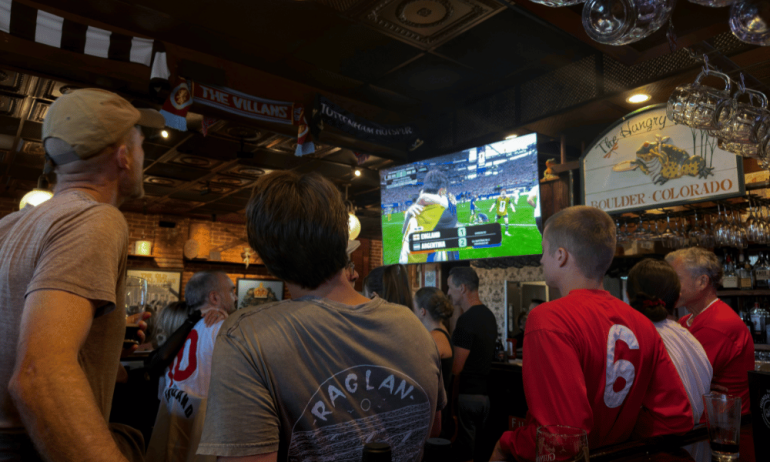
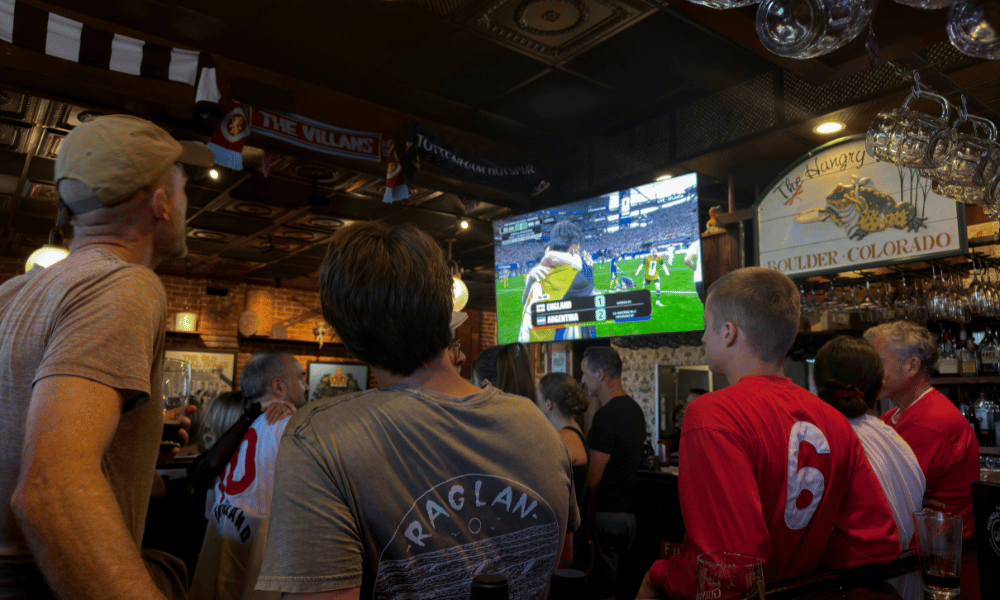
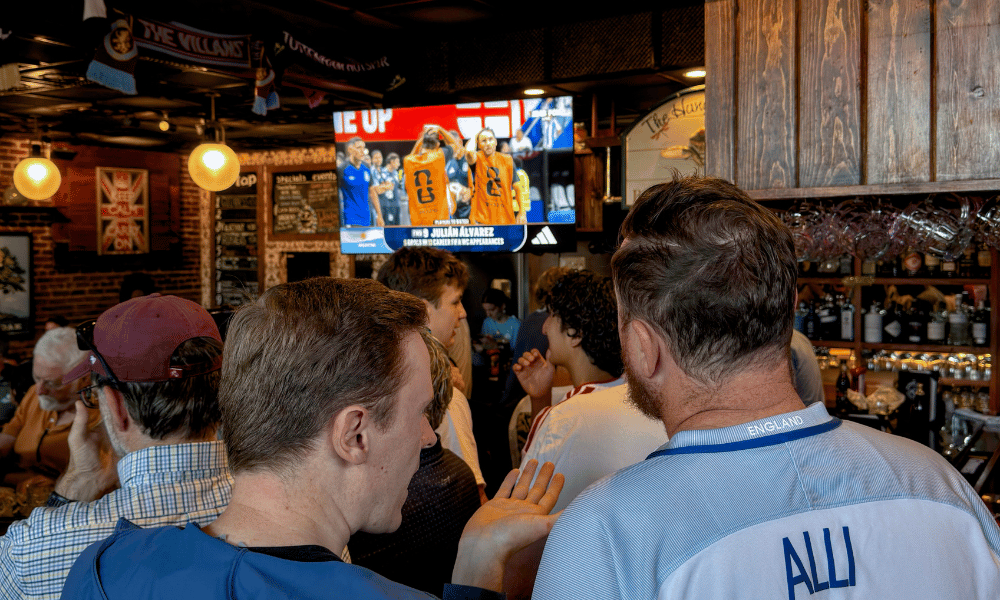
KGNU’s Aramis Loma-Guzman visited the Hungry Toad in Boulder during England’s semi-final World Cup match against Argentina, to dive deeper into the world of sports gambling.
More than 100 England supporters packed into the Hungry Toad in Boulder on Wednesday, hoping to celebrate a World Cup semifinal victory. Instead, they watched their team’s title hopes end in heartbreak as Argentina secured a place in the final.
The loss didn’t just devastate fans; it also dealt a financial blow to bettors across the United States and around the world. More than 53% of wagers placed on the match backed the Three Lions to advance to the tournament final. On Kalshi alone, bettors lost a combined $156 million after England’s defeat.
“ I mean it is a risky thing. I know a lot of people who’ve fallen into the depths of it, but I’m fortunate enough to know that I won’t go down that path,” said Connor O’Keefe, a 22-year-old recent college graduate who was among those who lost money betting on England to win.
O’Keefe’s experience reflects a growing trend among young gamblers. According to a survey conducted by Care.org in England, 19% of gamblers between the ages of 18 and 25 say they gamble because they feel compelled to, rather than simply for entertainment.
During the World Cup, 83% of respondents in that age group reported gambling more frequently than usual. For some, it’s what makes them enjoy the fixture.
“It makes me more interested in the game, and it gives you kind of that jolt and makes you want to go out after when you have an extra 150 bucks in your pocket after England wins,” said O’Keefe.
Unfortunately for O’Keefe, England didn’t deliver the payday.
While sports betting has become increasingly popular, especially during major international tournaments like the World Cup, many bettors fail to recognize the financial and psychological risks that can accompany gambling.
“ I think it’s just pure joy, pure dopamine,” said Gage Pearson, another recent college graduate who continues to gamble. ” [It’s] nothing negative. I don’t bet money that I can’t afford to lose.”
Studies estimate that roughly two-thirds of adults over the age of 21 have participated in some form of gambling.
Yet only about 15% report ever being asked about their gambling habits by a primary care provider, leaving many warning signs unnoticed.
Public concern over gambling addiction has also grown. Nearly 80% of Americans believe gambling addiction is as serious as or more serious than substance addictions such as alcohol or drugs.
Even so, gambling-related problems often go undetected and untreated.
“ Some would say it’s an addiction, but I don’t,” Pearson said.
As betting continues to grow alongside major sporting events like the World Cup, experts warn that the odds remain overwhelmingly one-sided.
An estimated 95% to 99% of regular gamblers lose money in the long run, underscoring that what begins as entertainment can quickly become a costly cycle.
This story aired on The Morning Magazine, KGNU’s weekday morning show featuring local news and community members. Click here to listen to other episodes of The Morning Magazine.