
-
 play_arrow
The community of Denver neighbors organizing against a data center Abby O'Brien
Data centers are digital infrastructure facilities that house servers and computer equipment used to process, store, and transmit digital information for users. It’s fair to say that basically everything you do online requires a data center to exist. And they’ve been increasingly in the spotlight lately, because of the recent artificial intelligence (AI) boom. Deloitte estimates that between 2024 and 2035, total power demand from data centers in the US could grow fivefold, and the portion of that from AI data centers could grow more than thirtyfold.
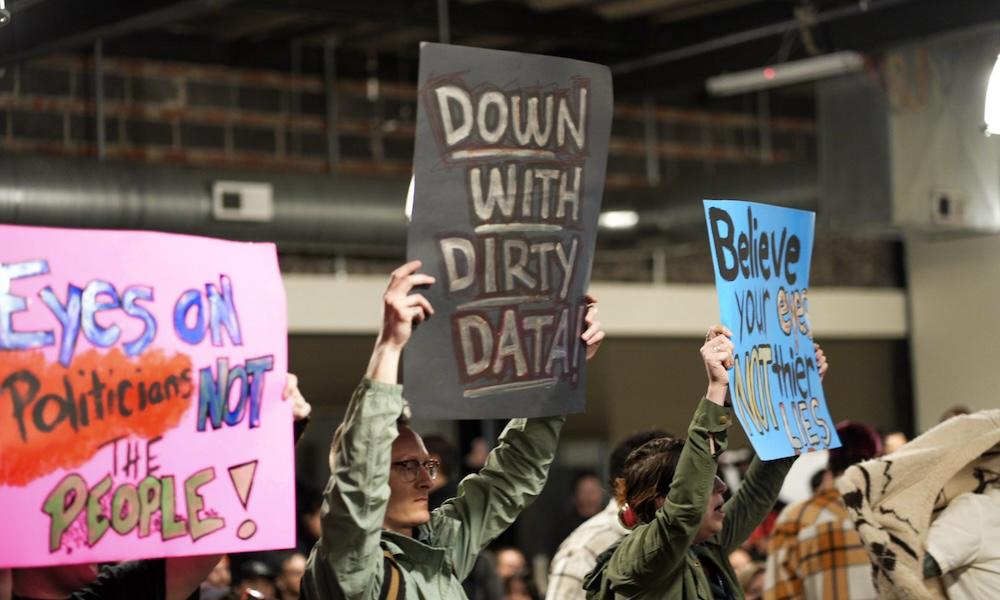
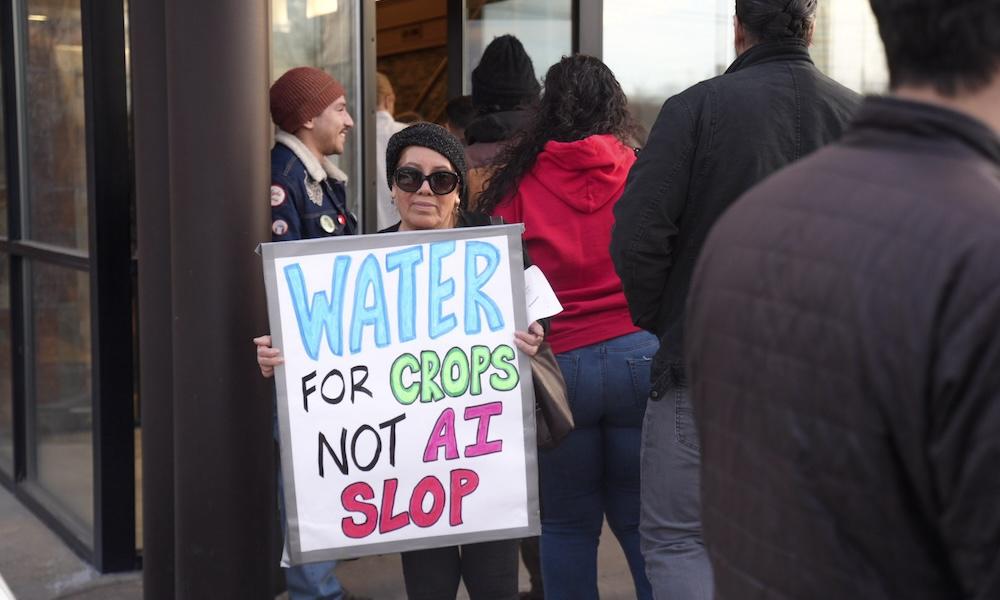
For today’s episode of A Public Affair, KGNU’s Abby O’Brien spoke with a Denver activist about how the data center company CoreSite is building their third data center in Denver, and how neighbors have been organizing around concerns of its potential health, environmental, and economic impacts on the local community. CoreSite offers colocation, meaning multiple clients, including AI and non-AI companies, can rent space in the same data center.
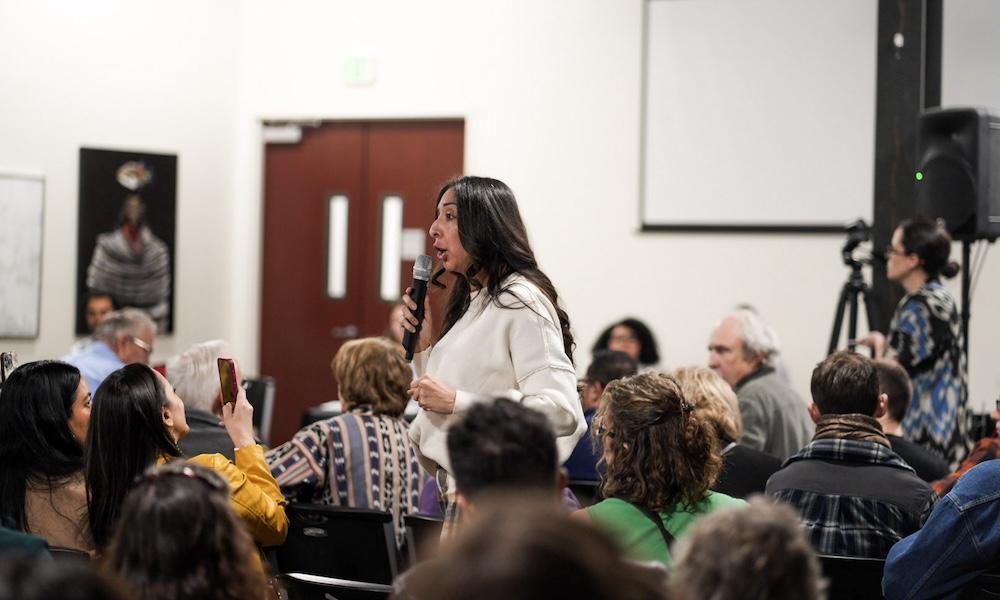
Dr. Xiaofan Liang is Assistant Professor of Urban and Regional Planning at the University of Michigan, and an expert on network infrastructure in cities.” Data centers have been around for a long time, but it’s kind of a secretive industry. No one really cared about them” until the AI boom, said Liang.
According to Liang, “even though the debate of data centers has recently emerged, data center infrastructure has existed for decades,” as data centers have been around as long as digital information has existed on the web.
Fundamental to data centers’ function is the need to provide extra independent capacity and critical systems, like power cooling or networking. That way, the facility can continue operating in events of natural disaster, power outage, or any other disruption. So facilities must always have backup power to prevent downtime.
“This is also one of the ways that developers tend to explain why they need so much infrastructure and they’re unavoidable to local communities,” said Liang.
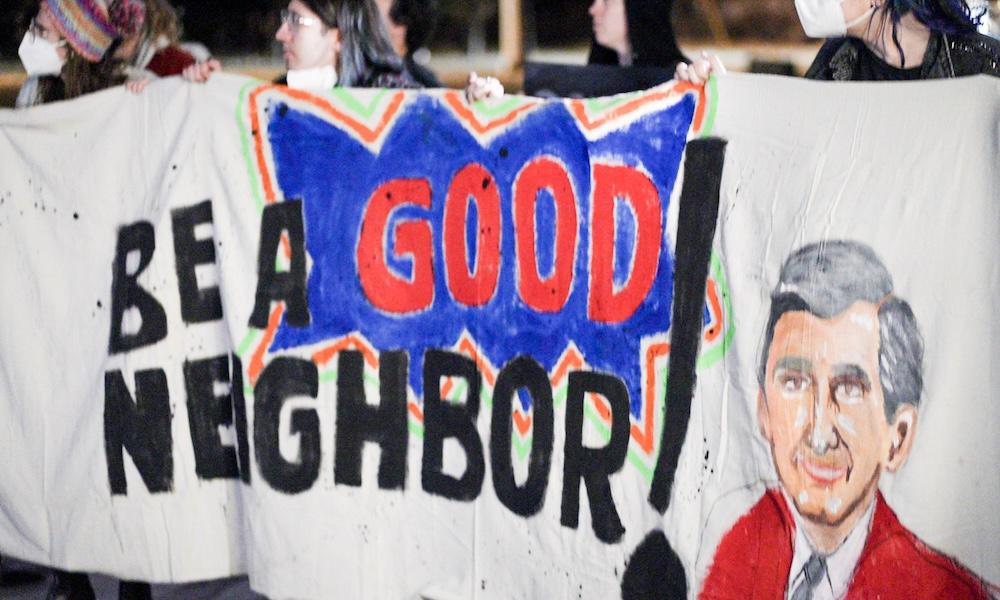
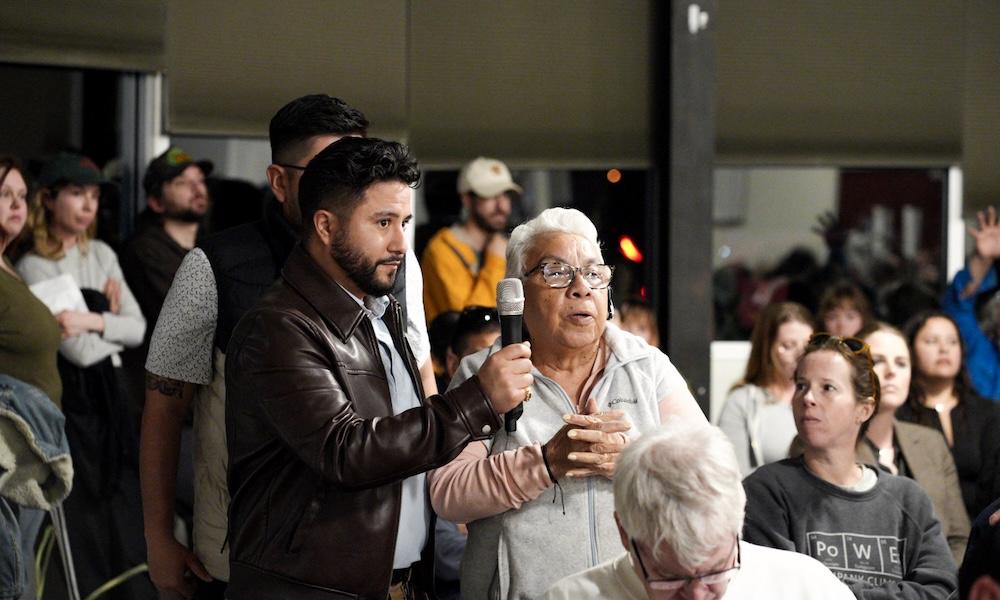
But the presence of data centers could mean increased health hazards for the communities they’re built in. Their diesel-powered backup generators are air polluters, releasing a dangerous amount of nitrogen oxide and fine particulate matter (PM2.5). That, along with their water use, makes data centers unwelcome neighbors.
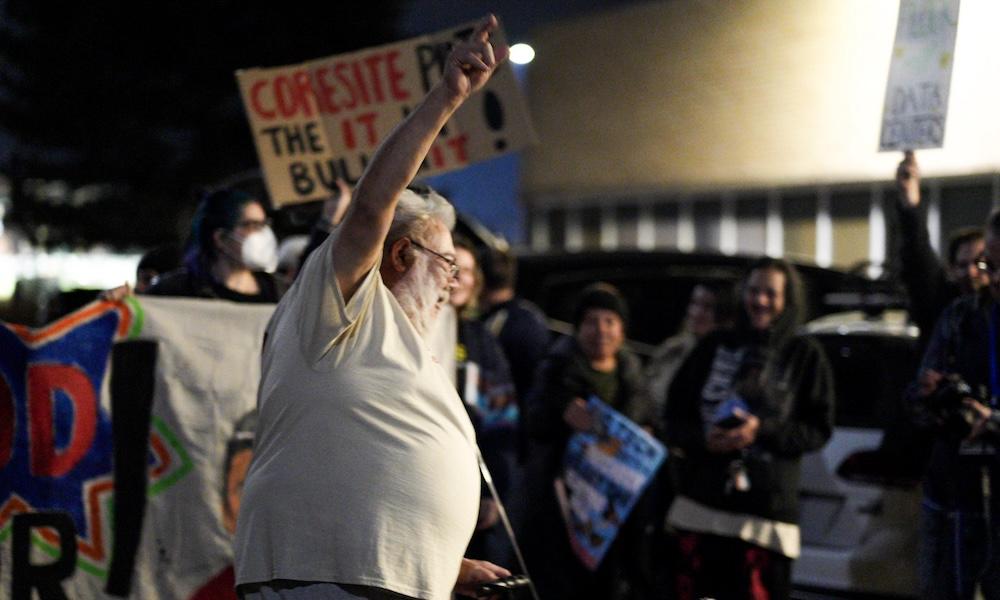
Alfonso Espino is a lead organizer with the Globeville Elyria-Swansea (GES) Coalition, a group of neighbors organizing against CoreSite’s latest data center construction project at Race St. and East 49th in Denver. The predominantly Hispanic area has historically had a high concentration of pollution from industry, and shorter average life expectancies than surrounding neighborhoods.
“CoreSite, when they talk about like the impact that they’re gonna have, you’re not just talking about the impact that they will have in isolation,” said Espino. “We’re talking about the cumulative effect of this long-lasting history of these neighborhoods always getting crapped on.”
“For us, that’s really where the conversation has to start, because for us, a lot of the disappointment with the city and the local council is that as soon as they heard about it and, if they understood the impact of data centers before everyday residents, it should have been a no-brainer that this is the last place. If they’re gonna build the data centers, they should have never have allowed this one to have started getting constructed right there, in the most contaminated, the most impacted neighborhood…”
Listen to the audio story above for the full interview.

This story aired on A Public Affair, KGNU’s weekday morning show featuring in-depth discussions on local news issues. Click here to listen to other episodes of A Public Affair.